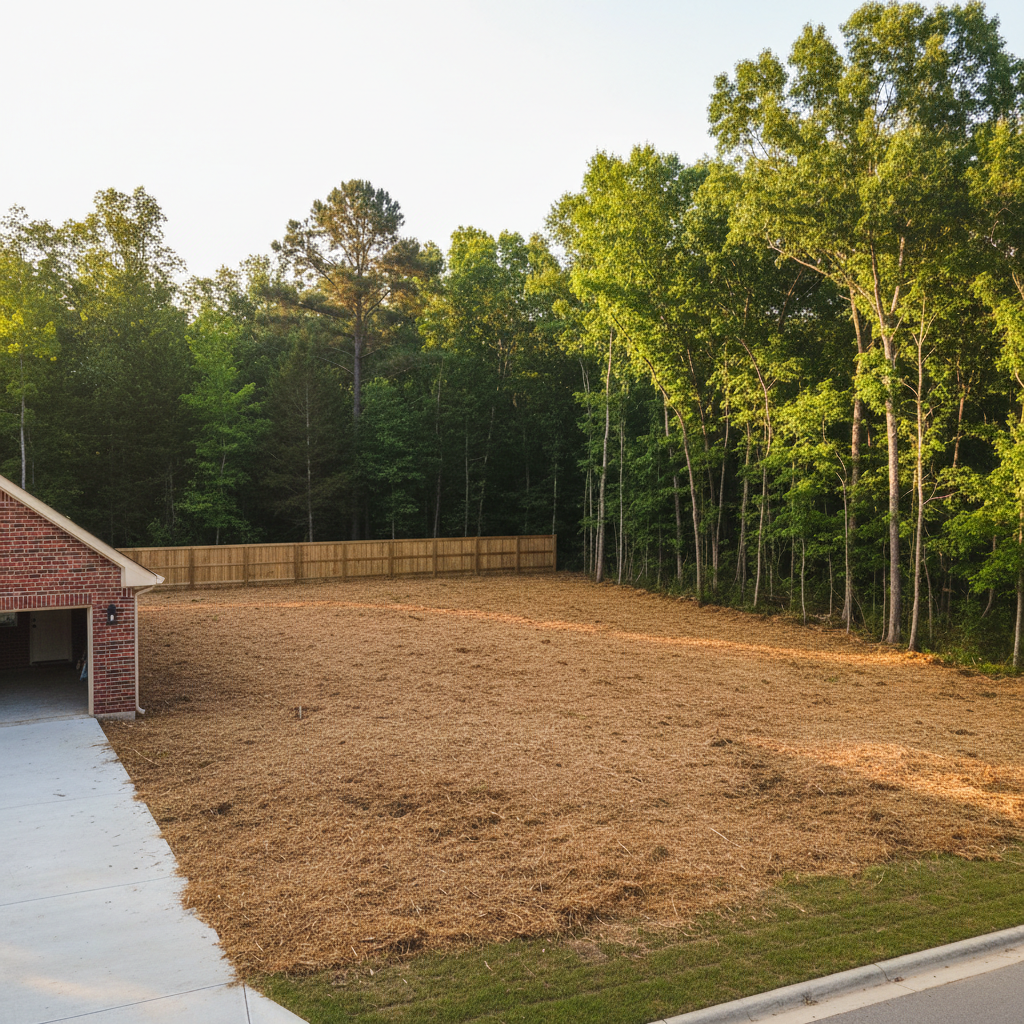
So, you've got some land in Humble. Maybe it's completely overgrown, you might be planning a new construction project, or perhaps you just want to get some space back. Lot clearing isn't just about knocking down trees; it's a big job that really needs some thought and planning. You definitely don't want to jump into this blind, because there are a lot of moving parts, you know?
How Long Does Lot Clearing Actually Take?
How long does lot clearing take? That's probably one of the first questions I get asked. The honest answer is, it really depends. It's not a one-size-fits-all kind of deal. A small, lightly wooded quarter-acre lot might take a couple of days with the right crew and equipment. But a heavily forested acre, especially one with a lot of dense underbrush or tricky access, could easily stretch into a week or even more. Weather plays a huge role too; a solid week of rain — which we certainly get our share of here in Humble — can push things back significantly.
Permits are another big factor. Before any work starts, you absolutely need to check with the City of Humble or Harris County, depending on your exact location, about any required permits for tree removal or disturbing the land. Don't skip this step. Trust me, you don't want to get halfway through a project only to find out you're violating local rules. That's a headache and a fine you really don't need.
What Happens During the Process?
Once you've got your permits and a contractor lined up, here's a general idea of what's going to happen. First, the crew will come in and assess the site one last time. They'll mark out any trees to be saved (if there are any) and identify potential hazards. Then, the heavy machinery rolls in. You'll see excavators, bulldozers, chippers, and sometimes even specialized felling equipment.
Trees usually get cut down first, then chopped into manageable sections. Branches and smaller debris get fed into chippers. Larger logs might be hauled away or, if you want them, left for firewood. Stump grinding or removal usually happens next. This is where those big stumps get turned into wood chips or completely pulled out of the ground. Finally, the site gets graded. This means smoothing out the land, removing any remaining debris, and getting it ready for whatever you've got planned next, whether that's construction, landscaping, or just a nice, clear yard.
It's going to be noisy. There's going to be dust. It's a construction zone, plain and simple. Expect some disruption, especially if you're living on or near the property while the work is happening.
How to Get Your Property Ready
Before the crew shows up, you've got a few things to do to make sure everything goes smoothly and safely.
- Clear the area: Move anything valuable or fragile that's near the work zone. Think patio furniture, garden ornaments, kids' toys, even vehicles if they're too close.
- Mark utilities: Call 811 before you dig, always. This is non-negotiable. They'll mark underground utility lines so no one accidentally hits a gas pipe or power cable.
- Talk to your neighbors: Give them a heads-up about the work, the noise, and any temporary access issues. A little courtesy goes a long way.
- Secure pets and kids: This is a dangerous work environment. Make sure pets are indoors or secured away from the site, and keep children well clear.
- Access: Ensure there's clear, unobstructed access for large equipment. If there are gates, make sure they're unlocked and wide enough.
Key Questions to Ask Before Signing a Contract
Don't just go with the first quote you get. Do your homework. When you're talking to potential contractors, like us at Progressive Tree Service, here are some questions you absolutely need to ask:
- What's included in the quote? Does it cover tree removal, stump grinding, debris hauling, and site grading? Make sure there are no hidden costs.
- Do you have insurance? They need general liability and workers' compensation. Ask for proof. If they don't have it, you could be liable if someone gets hurt or something gets damaged.
- What's your experience with projects like mine? You want someone who's done this before, especially on lots with similar terrain or tree types common around Kingwood or Atascocita.
- How do you handle permits? Will they help you with the permit process, or is that entirely on you?
- What's your estimated timeline, and what factors could change it? Get a realistic expectation.
- What's your clean-up process? Will they leave the site broom-clean, or just haul away the big stuff?
- Can you provide references? And actually call them.
Lot clearing is a big investment, and doing it right means starting with solid planning. Take your time, ask the right questions, and prepare your property. You'll be glad you did when you see that clear, ready-for-anything space.